


Contributed to product design and research by analyzing A/B test behavior, running usability studies, and iterating navigation and interface patterns with a focus on clarity, accessibility, and safety.

A/B test behavior analysis and session review to improve navigation flows
Usability study execution and insight synthesis to inform design iterations
Figma-based design iteration and documentation for cross-functional handoff
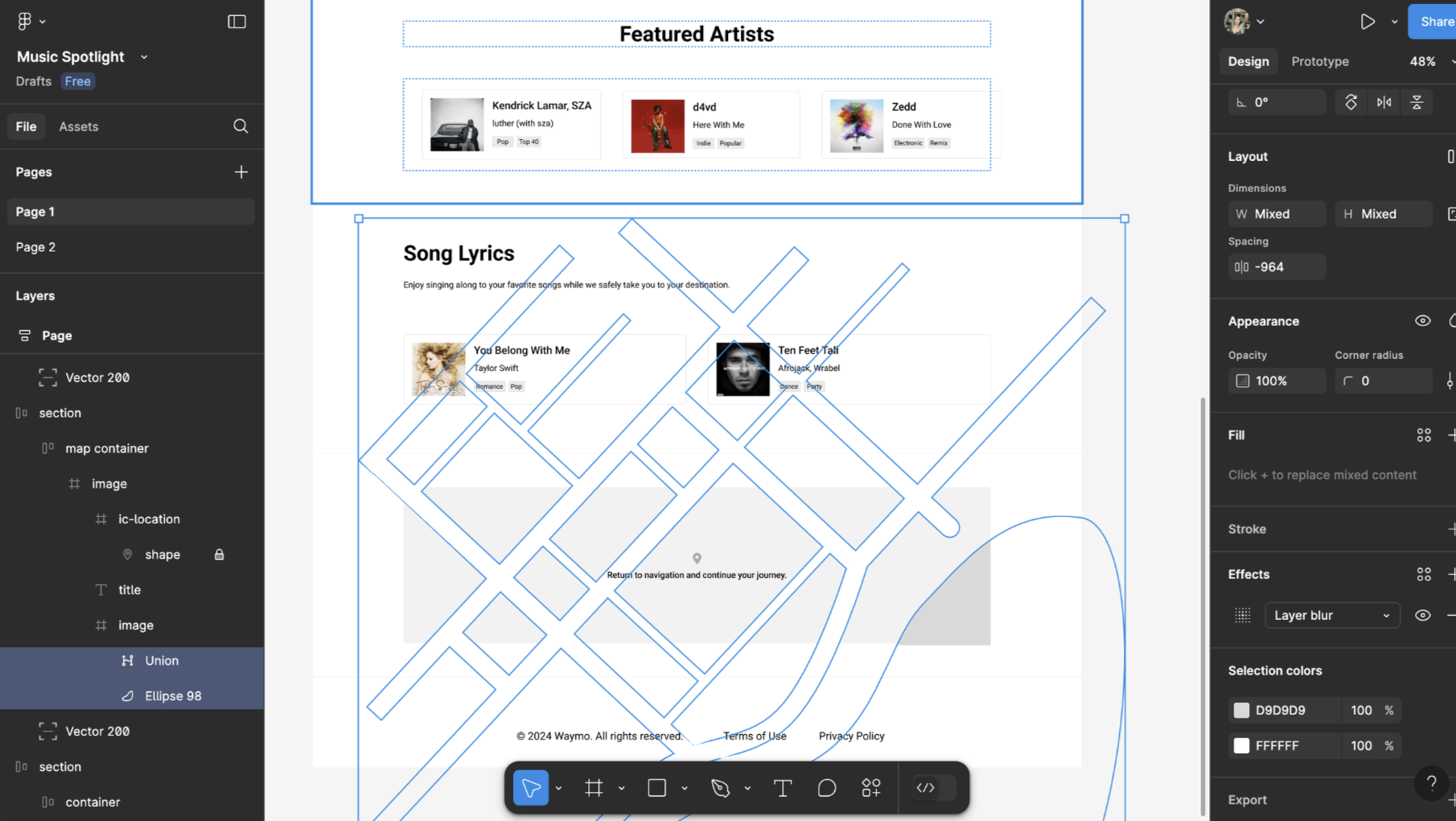

Reviewed 500+ ride sessions during A/B testing
Ran usability studies with 40+ participants and applied findings to refine navigation flows and reduce cognitive load
Designed accessibility-focused dark mode interface that improved nighttime visibility by 25% in user testing

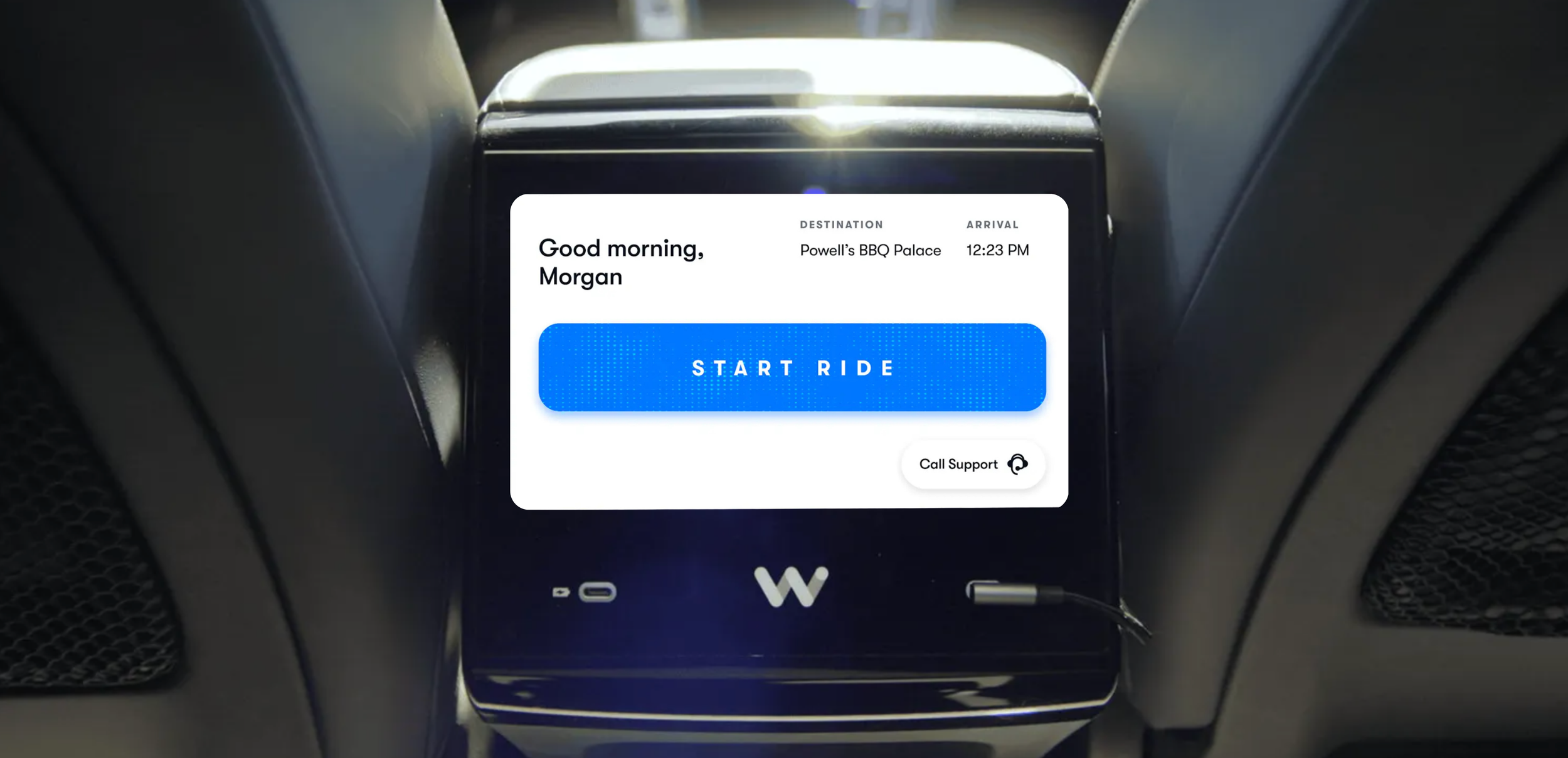
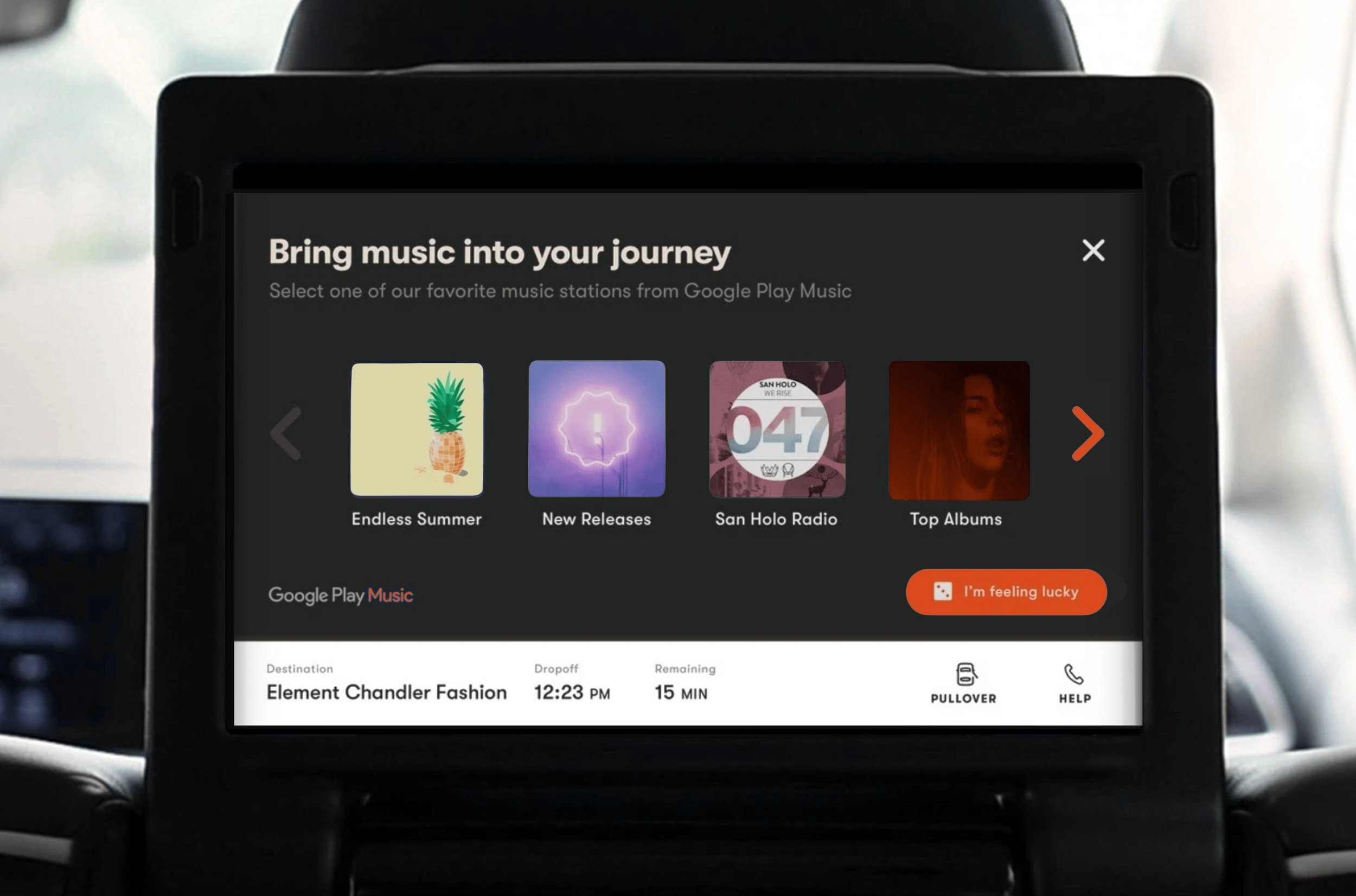
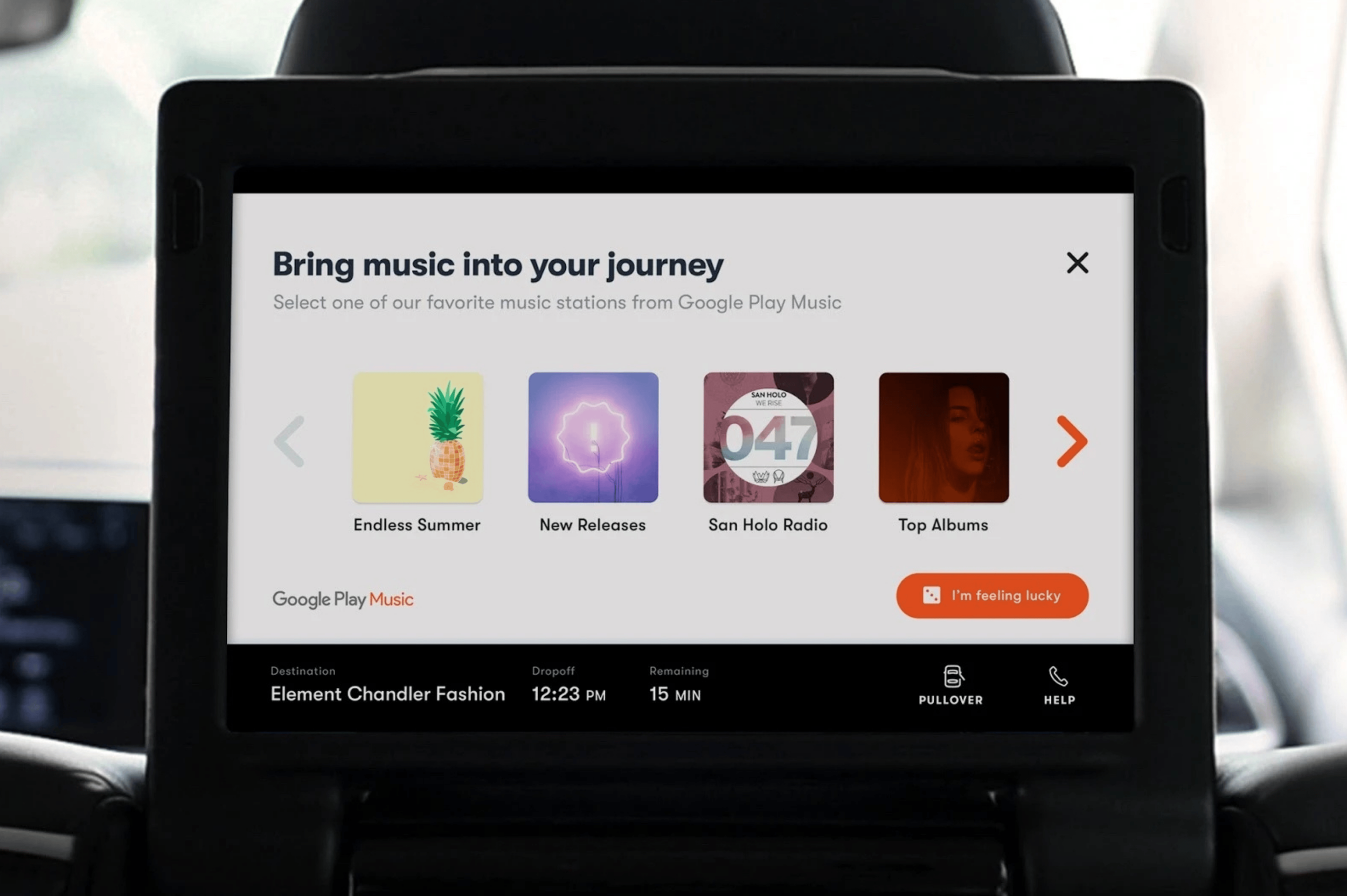
Confidentiality note: These prototypes are recreated for my portfolio. Original Waymo deliverables are confidential and not included.
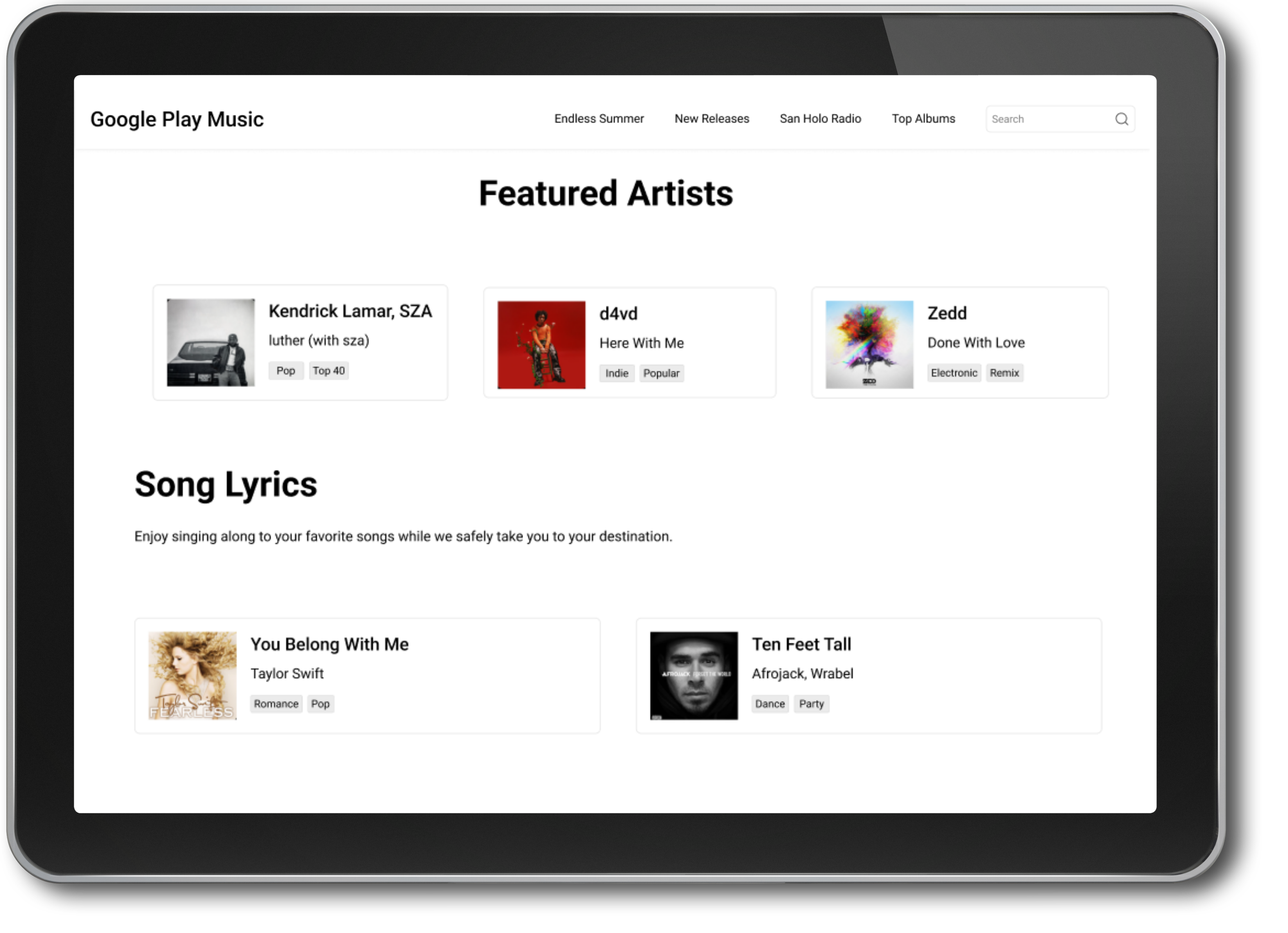
Google Play Music Integration
Featured Project
Built Google Play Music navigation integration concept that prioritized information hierarchy and low-friction controls while keeping route visibility primary. Produced multiple layout iterations and a clickable prototype covering core flows and edge states for design and PM alignment.
Deliverables
Layout iterations, interaction flow, clickable Figma prototype, key states and transitions
Navigation and Accessibility Study
Featured Case Study
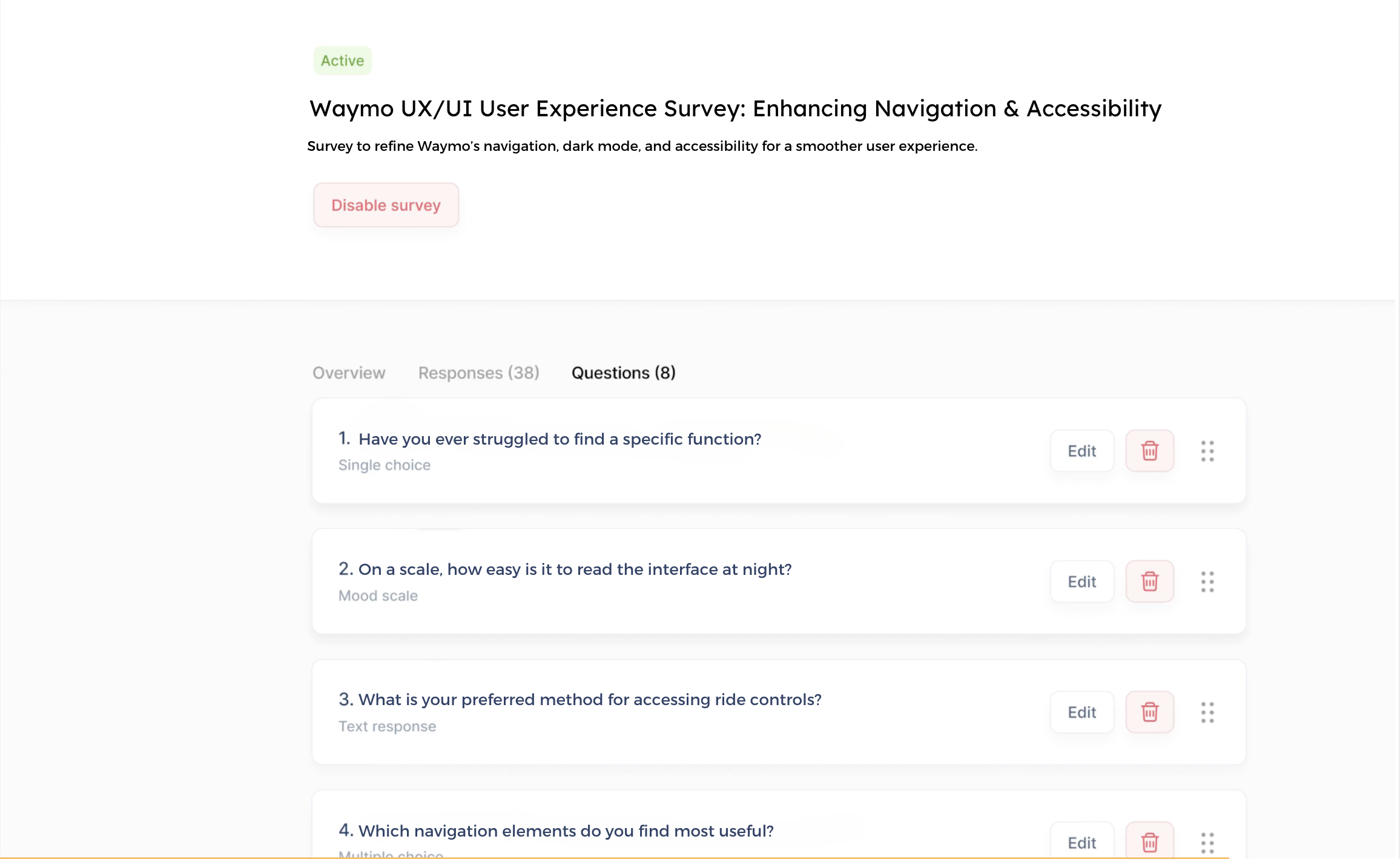
I created and distributed a short survey to frequent Waymo riders to understand navigation friction and low-light readability needs. I used the findings to define design priorities for the nighttime contrast prototype.
Testing at a Glace
Method: moderated usability test
Participants: 40+
Format: remote and in-person
Focus: low-light readability + action discoverability
Output: findings synthesis + iteration notes
Findings
Low-light readability issues, especially when scanning quickly
Difficulty locating specific controls or features when needed
Strong preferences for a consistent, predictable way to access ride controls
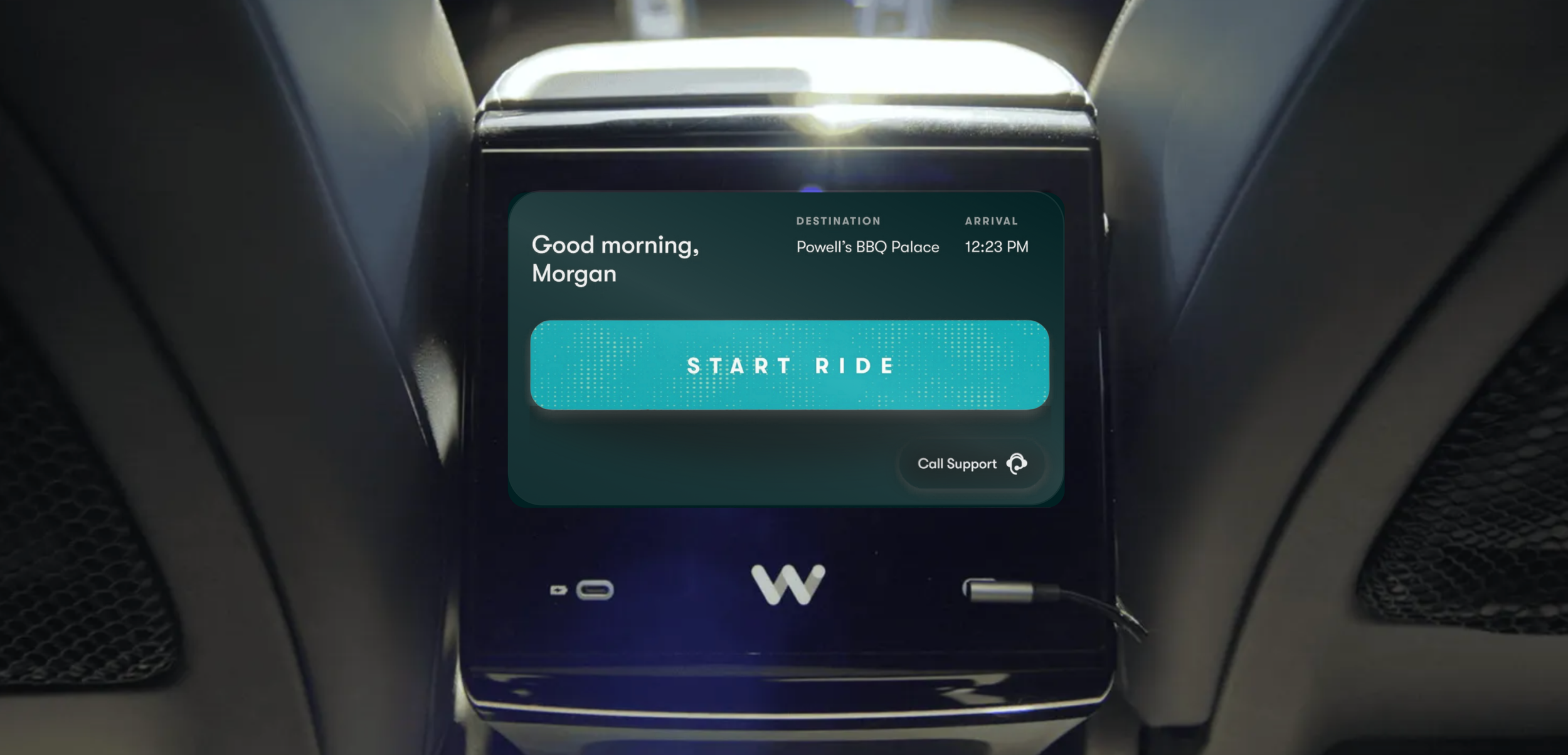
Design Decisions
Adjusted contrast and hierarchy to make key actions and text easier to scan at night
Simplified the visual emphasis so the interface feels calmer in low-light conditions
Kept emphasis consistent across screens so users know where to look first
Result
Increased low-light task success by 25% in moderated usability study focused on readability & control discovery